



Introduction: Why This Topic Matters More Than You Think
Let’s get something straight.
Body image is not about mirrors. It’s about identity.
It affects how you speak in meetings.
It affects how you show up in relationships.
It affects whether you apply for opportunities or shrink yourself out of them.
Most people think body image issues are limited to teenagers or social media influencers. That’s false. CEOs struggle with it. Professionals hide behind oversized clothes. Students avoid stage opportunities because they think they don’t “look the part.”
If you’ve ever:
- Avoided a photo
- Compared yourself constantly
- Felt “not good enough” because of appearance
- Judged yourself more harshly than others
You’ve experienced body image distortion.
And it’s costing you more than you realize.
Meta descriptions give users a preview of your page’s content in search results. While they don’t directly impact rankings, they play a vital role in improving your click-through rate. Keep your meta descriptions around 150-160 characters and include your target keyword.


What Is Body Image?
Body image refers to how you perceive your physical appearance and how you feel about that perception.
It has two dimensions:
- Perceptual Body Image – How you see your body.
2. Emotional Body Image – How you feel about what you see.
Here’s the problem: what you see is often not objective reality. It’s filtered through conditioning — family comments, cultural standards, peer comparison, and social media algorithms.
The Root Causes of Body Image Issues
Let’s strip away the surface-level talk.
1. Social Comparison Culture
Platforms like Instagram and TikTok reward visual perfection. Filters, editing apps, curated lifestyles — they distort what “normal” looks like.
When you compare your raw reality to someone else’s edited highlight reel, insecurity is inevitable.
2. Family Conditioning
Casual comments like:
- “You’ve gained weight.”
- “You’re too skinny.”
- “Fair skin looks better.”
These statements don’t disappear. They embed.
3. Cultural Beauty Standards
Every culture promotes a “preferred” body type. If you don’t fit it, you subconsciously internalize rejection.
4. Personal Trauma or Bullying
One public embarrassment during school can echo for decades.
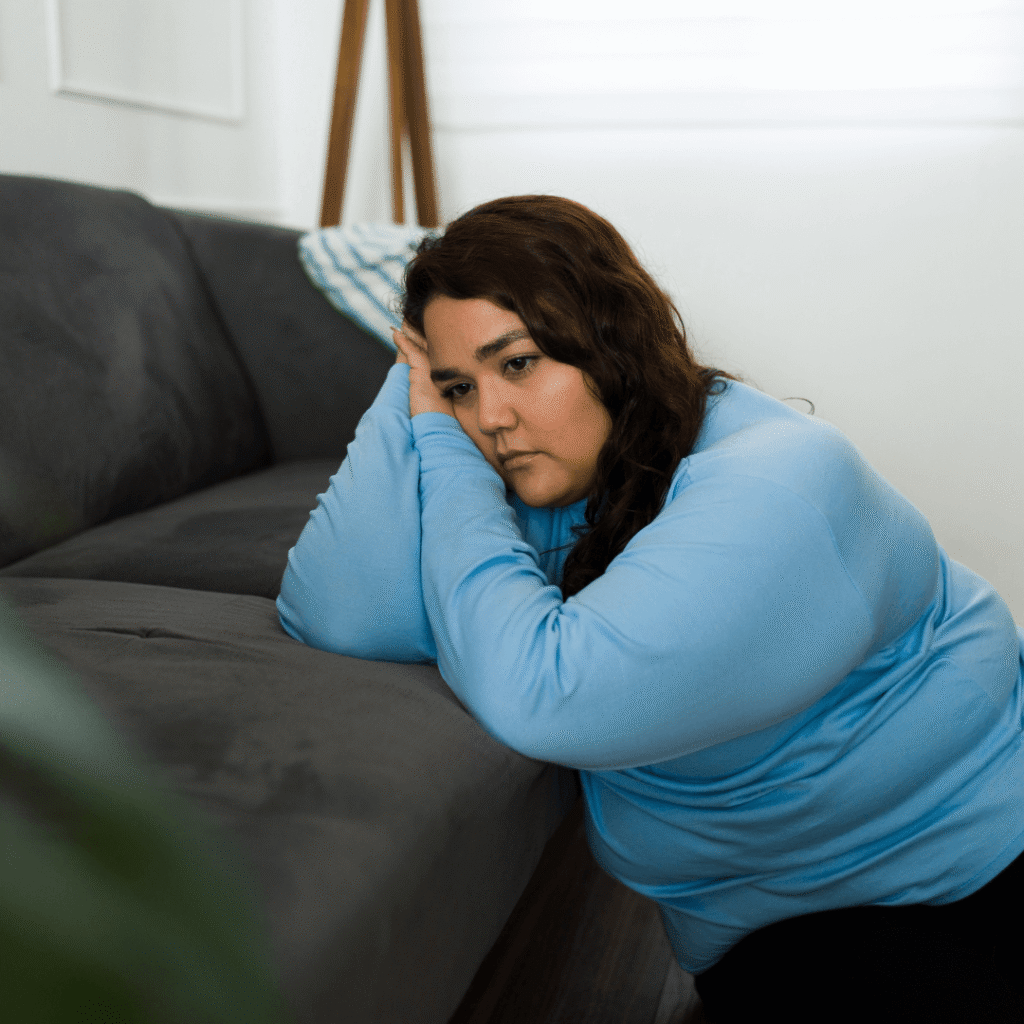
The Psychological Impact of Poor Body Image
This is where it becomes serious.
Negative body image is strongly linked to:
- Low self-esteem
- Anxiety disorders
- Depression
- Eating disorders
- Social withdrawal
It doesn’t just affect mental health. It affects performance.
If you constantly think:
- “I look awkward.”
- “People are judging me.”
- “I’m not attractive enough.”
Your cognitive bandwidth gets consumed by insecurity instead of growth.
Body Image and Professional Success
Let’s talk about something people avoid.
Confidence is perceived visually first.
When someone walks into a room:
- Posture
- Grooming
- Facial expression
- Energy
All communicate self-belief.
If your body image is weak, it leaks through:
- Hesitant speech
- Avoiding eye contact
- Shrinking posture
- Overcompensation behavior
You cannot build executive presence on top of self-rejection.
What Positive Body Image Actually Means (It’s Not What You Think)
Positive body image is NOT:
- Thinking you look perfect
- Ignoring health
- Pretending flaws don’t exist
It means:
- Respecting your body
- Separating worth from appearance
- Focusing on function over form
- Taking care of your health without self-hatred
It’s grounded. Not delusional.
7 Practical Steps to Improve Your Body Image
No motivational fluff. Action steps.
- Audit Your Digital Environment
Unfollow accounts that trigger comparison. Curate your feed intentionally.
2. Upgrade Your Self-Talk
If you wouldn’t say it to a friend, stop saying it to yourself.
3. Focus on Strength, Not Size
Track:
- Energy levels
- Strength gains
- Stamina
- Productivity
Not just weight.
4. Dress With Intention
Wear clothes that fit well, not aspirational sizes. Fit builds presence.
5. Fix Your Posture
Stand straight. Shoulders back. Chin up.
Your brain interprets posture as power.
6. Invest in Health, Not Appearance
Exercise, nutrition, sleep — for performance. Not validation.
7. Seek Professional Help If Needed
Therapists and counselors trained in body image issues can break deep-rooted patterns.
The Hard Truth
If you don’t fix your relationship with your body, you will unconsciously sabotage opportunities.
You’ll hesitate.
You’ll shrink.
You’ll self-reject before the world even does.
Confidence isn’t built in the gym.
It’s built in the mind.
But the body is the vehicle through which the mind expresses itself.
Conclusion – Your Body Is Not the Enemy
Your body is not the real problem.
The internal narrative you’ve built around it is.
If body image issues are affecting:
- Your confidence in meetings
- Your stage presence
- Your interview performance
- Your willingness to take opportunities
Then ignoring it won’t fix it.
Self-image shapes behavior.
Behavior shapes results.
Results shape identity.
If you don’t correct the foundation, you’ll keep repeating the same confidence struggles in different environments.
Ready to Fix the Root — Not Just the Surface?
If you’re serious about building real confidence — not fake motivation — let’s talk.
I’m offering a free 1-on-1 clarity call for students and professionals who want to:
- Overcome body-related insecurity
- Improve communication confidence
- Build stronger executive presence
- Stop self-sabotaging opportunities
This is not a sales pitch. It’s a focused conversation to identify:
- What’s holding you back
- Where your self-image is limiting you
- What practical steps do you need next
If you’re ready to stop shrinking yourself, book your free call below.
Spots are limited. Only book if you’re serious about working on yourself.